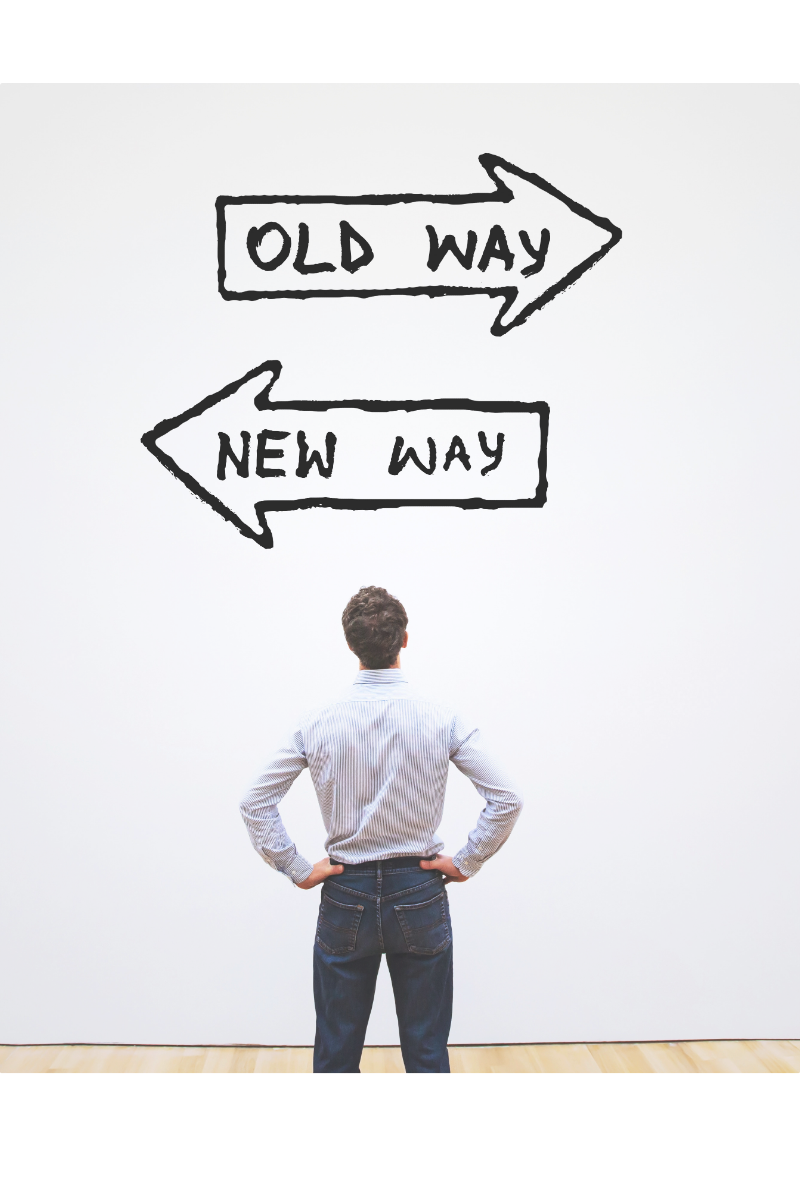
70% of change projects fail. That’s not a new number. It’s been circulating for years: HR conferences, management books, the same slide in the same deck. And still, nothing changes.
Why?
Because almost everyone is digging in the wrong place.
Where most leaders look (and why they can´t find anything):
Poor communication. Missing buy-in. Unclear goals. Bad timing. These are the explanations you hear when a change project collapses. Some of them are true. All of them stop short. All of them miss the actual thing.
Because every one of these explanations overlooks what is really happening in the room:
An ending.
The ending nobody acknowledged:
Every transformation is an ending. The old system. The old role. The old way things were done and the old version of who people were while doing it.
And that ending is hardly ever acknowledged.
No ritual. No closure. Just: new chapter, onwards. Faster, further, further away from the core.
So what happens when people can’t process an ending? They grieve. Quietly. In the background. While outwardly performing enthusiasm in the town hall.
We don’t call it grief. We call it resistance to change. We call it low engagement. We call it quiet quitting.
But the accurate word is grief.
And grief cannot be communicated away. Least of all with what we usually mean by “communication”: A slide deck and a newsletter.
The threshold time inside your company:
Between the end of the old and the beginning of the new, there is a space.
I call it the threshold time.
It’s basically: The in-between.
In that space, teams lose the thread. Not because they don’t want to. Because nobody is in there with them.
What’s usually missing: Recognition for what was. Honesty about what’s coming. And someone who stays when it gets uncomfortable.
What actually helps in a transformation (and what doesn’t):
A real ending. Not an announcement an actual moment where the old is given its due. Room for the threshold. Don’t force the restart before people have arrived. Identity questions: Who are we afterwards? What stays ours, even when everything else changes?
This is not soft. This is the smartest thing an organisation can do mid-transformation.
And now?
Change doesn’t fail on strategy. It fails in the threshold — when nobody accompanies that space.
I walk in when everyone else walks out.
If you recognise this from your own organisation: Let’s talk.